
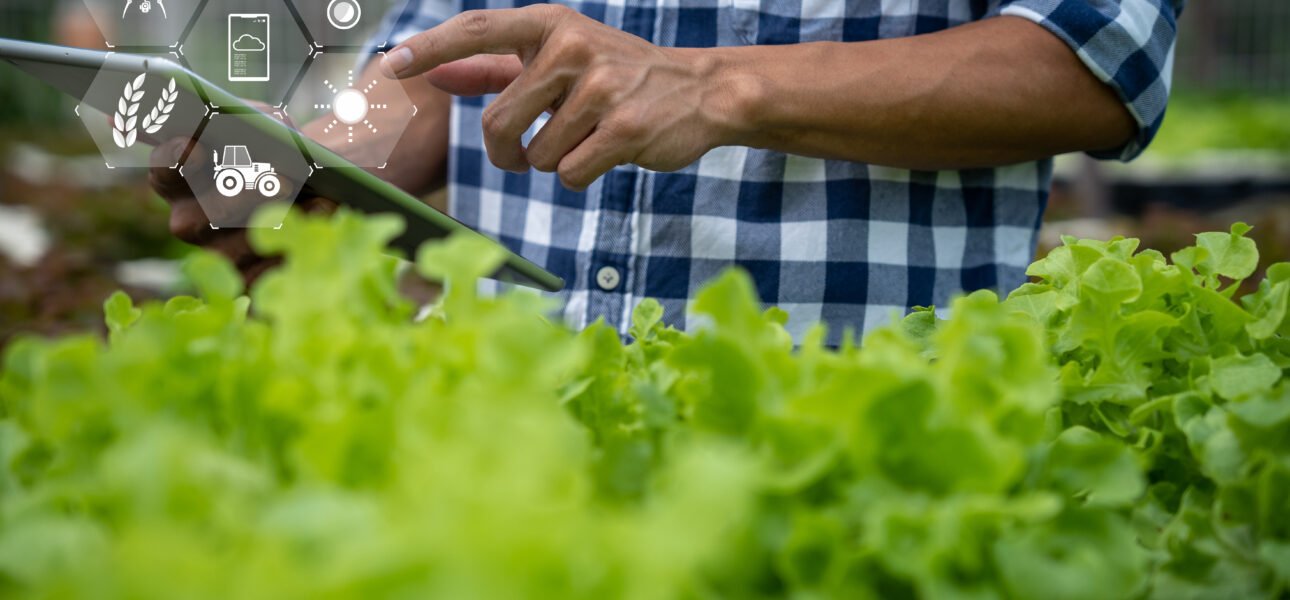
Modern farming depends on efficient agriculture infrastructure. Proper farm development planning improves productivity and sustainability. Therefore, structured agriculture infrastructure development is important. Agricultural systems support consistent crop performance. As a result, farmers achieve better long-term outcomes.
Firstly, soil testing in agriculture helps understand nutrient levels. Healthy soil supports better crop growth. As a result, farm productivity improves. Soil analysis also helps identify deficiencies. Therefore, farmers can apply correct treatments.
Secondly, irrigation infrastructure systems ensure proper water supply. Drip irrigation systems distribute water evenly. Therefore, crops receive consistent moisture. Controlled irrigation reduces water loss. As a result, water efficient farming becomes possible.
Farm water management reduces wastage. Additionally, efficient irrigation lowers operational costs. Because of this, sustainable agriculture practices become easier to maintain. Balanced water supply supports healthy crop cycles. Therefore, productivity becomes more reliable.
Farm layout planning improves workflow. Organized pathways allow easy movement of equipment. As a result, farm operations become faster. Structured layout also improves land utilization. Therefore, farm efficiency increases.
Climate responsive agriculture protects crops. Mulching and soil care improve moisture retention. Therefore, crops perform better in changing weather. Climate-adaptive techniques reduce crop damage risk. As a result, farmers maintain stable output.
Technology also supports smart farming solutions. Automated irrigation systems improve accuracy. Additionally, data-based decisions improve crop quality. Smart tools help monitor field conditions. Therefore, farmers gain better control over productivity.
Structured farm development services increase long-term efficiency. Planned infrastructure supports scalability. Therefore, farmers can expand operations easily. Organized infrastructure reduces operational challenges. As a result, modern agriculture infrastructure becomes more effective.
In conclusion, agriculture infrastructure development improves productivity and resource management. Smart agricultural infrastructure supports sustainable farming growth. Modern farm infrastructure systems help farmers achieve consistent and reliable results.
Education is more than just acquiring facts; it’s about empowerment. When we invest in education, we equip individuals with the tools they need to think critically, solve problems, and make informed decisions. Education empowers children to dream beyond their circumstances and envision a world of possibilities. It’s a catalyst for personal growth, self-confidence, and social mobility. Education doesn’t just benefit individuals; it transforms entire communities. Educated individuals become agents of change, driving progress and innovation in their societies.
In a world brimming with opportunities, it’s disheartening to know that not everyone has equal access to education. Education is the cornerstone of progress and personal growth, yet countless communities around the globe struggle to provide quality learning experiences for their children. This blog post delves into the profound significance of supporting education initiatives in underserved communities and how they can pave the way for a brighter future.