
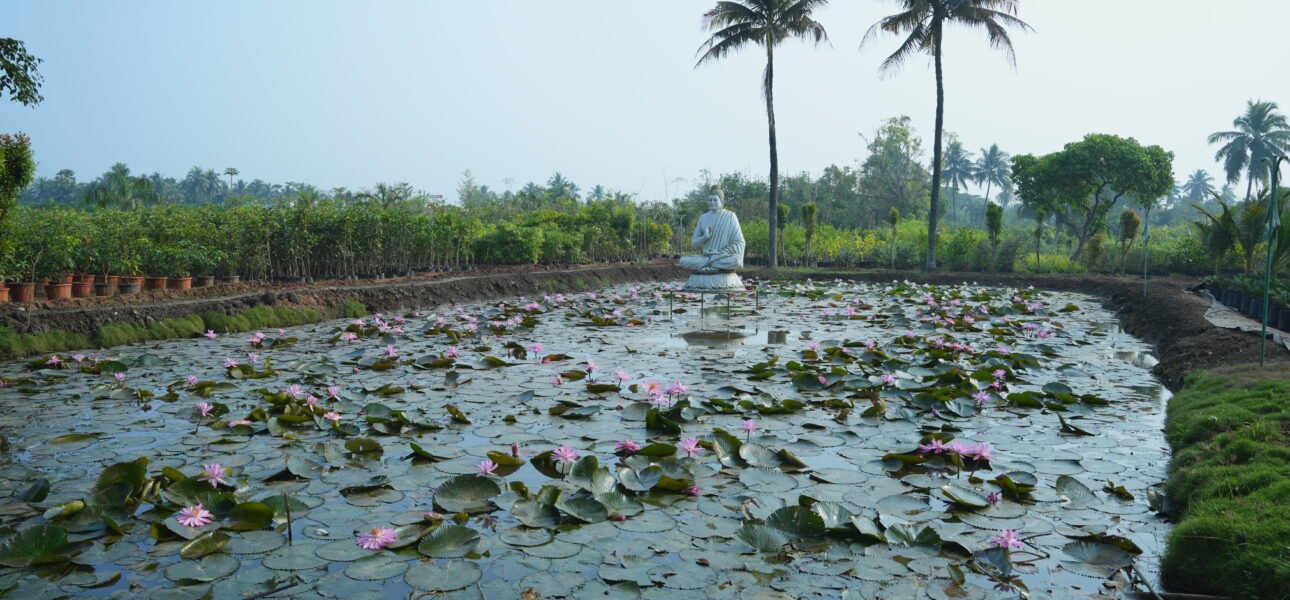
Modern projects require more than attractive outdoor spaces. Today, landscaping is part of infrastructure development. It improves environmental performance and long-term usability. Therefore, developers now plan landscape infrastructure with the same importance as buildings.
Sustainable landscaping focuses on durability and efficiency. It combines soil preparation, irrigation systems, and plant selection. As a result, landscapes perform well for many years. This approach also reduces frequent redesign or replacement. Therefore, project owners benefit from stable and predictable performance.
Firstly, soil preparation is essential. Healthy soil supports strong root growth. It also improves water absorption. Because of this, plants require less maintenance. Good soil structure also prevents erosion. Additionally, it supports better nutrient balance. Therefore, plant life becomes stronger and more stable.
Secondly, smart irrigation systems help save water. Drip irrigation and automated sprinklers deliver the right amount of water. Therefore, plant health improves while water waste reduces. Controlled irrigation also prevents overwatering. As a result, plants grow evenly and consistently.
In addition, plant selection plays an important role. Native plants adapt better to local climate conditions. They require less water and fewer chemicals. As a result, landscape maintenance costs become lower. Local species also survive seasonal changes more effectively. Therefore, commercial landscaping quality remains consistent.
Hardscape elements such as pathways and paving improve usability. They create organized outdoor movement. Moreover, permeable paving materials support water drainage. Proper pathways improve accessibility. Additionally, they enhance user convenience in residential landscaping and commercial spaces.
Landscape maintenance planning ensures long-term performance. Regular pruning, soil care, and irrigation checks maintain landscape quality. Therefore, structured maintenance protects investment value. Preventive care also avoids sudden repair costs. As a result, lifecycle performance improves.
Sustainable landscaping also improves property appeal. Green spaces create positive user experience. Additionally, they contribute to eco-friendly development. Landscapes influence comfort and wellbeing. Therefore, they add functional and visual value to developments.
In conclusion, landscape infrastructure development improves efficiency, sustainability, and long-term value. Modern developments benefit from landscaping solutions that perform beyond visual appearance. Sustainable landscapes support both environmental balance and project performance..